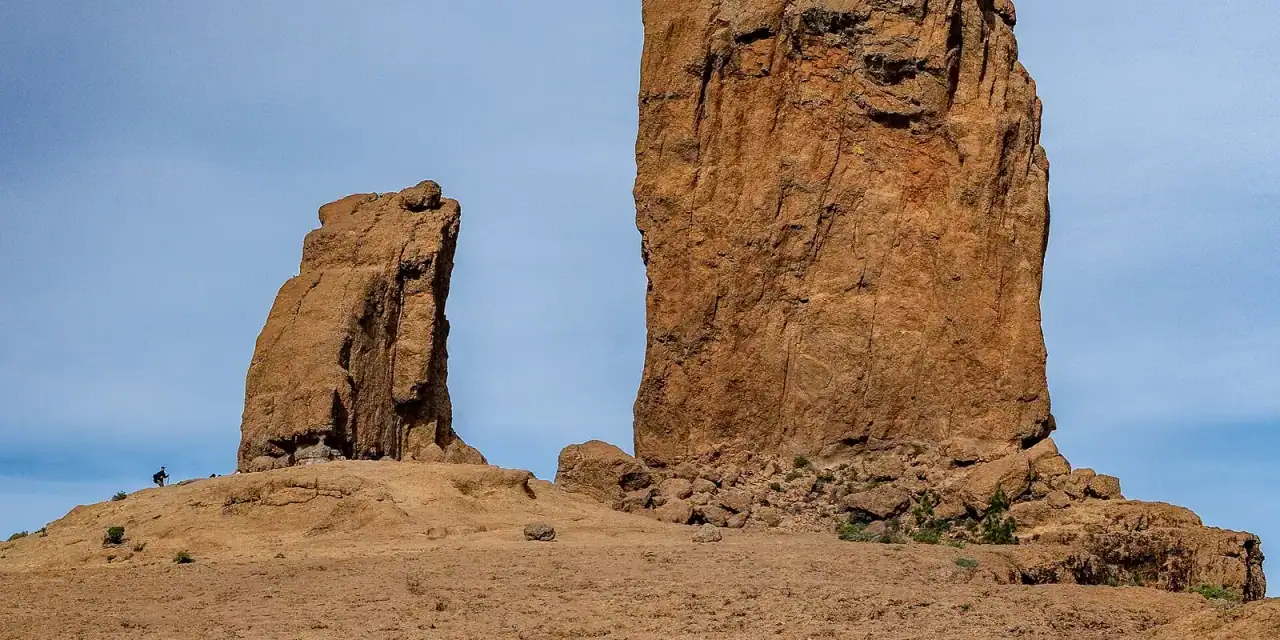
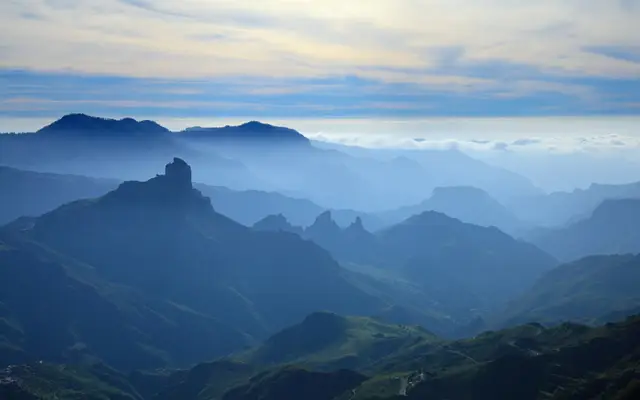
What to see in Gran Canaria comes down to three landscapes packed into a round island of 1,560 km²: the dunes and harbours of the south, Las Palmas with its city beach of more than 3 km and, in the middle, a summit of pine forest and rock pinnacles crowned by the Roque Nublo. Almost half the island is a Biosphere Reserve, and its sacred Aboriginal mountains are a World Heritage Site.
Of the big islands, it is the one that works best without a car (41% of its visitors use public transport), and it has the most Blue Flag beaches, 15 of them. Quiet it is not: around 4.7 million tourists a year and a capital of 380,000 people. If you are torn, read Gran Canaria or Tenerife.
Gran Canaria places to visit: the 20 must-dos, area by area
The island's top tourist attractions, grouped so you never have to cross it twice in one day.
What to see in the south of Gran Canaria: dunes, lighthouse and harbours
- Maspalomas Dunes. A 403.9-hectare Special Nature Reserve of dunes, palm grove and lagoon. You may only walk on the marked trails, about 8 km in all; straying off them costs €150 to €600. The free viewpoint is at Playa del Inglés, not at the lighthouse. Everything practical is in our Maspalomas guide.
- Maspalomas lighthouse, La Charca and Meloneras. The 1890 lighthouse is now an ethnographic centre; 200 m away, the La Charca lagoon draws up to 24 bird species in a single day. The Meloneras promenade starts from here.
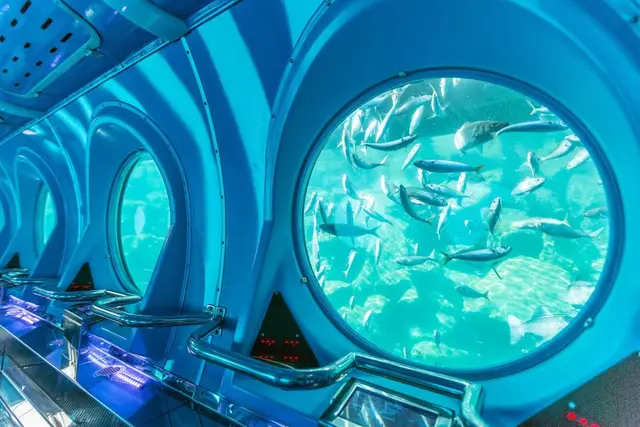
- Puerto de Mogán. A small harbour with a fully accessible 209 m beach. On Fridays there is a market from 09:00 to 15:30 and cars cannot get down to the quayside. This is where the Submarine Adventure sets off, the famous ‘Yellow Submarine’: €38 per adult at the ticket office.
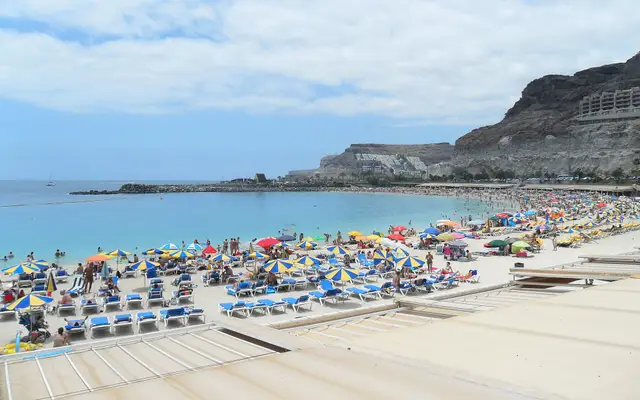
- Puerto Rico and Amadores. Puerto Rico beach (284 m, calm water), Amadores beach (488 m) and the harbour for the dolphin boats and the scheduled boat to Mogán. Details in Puerto Rico and Puerto de Mogán.
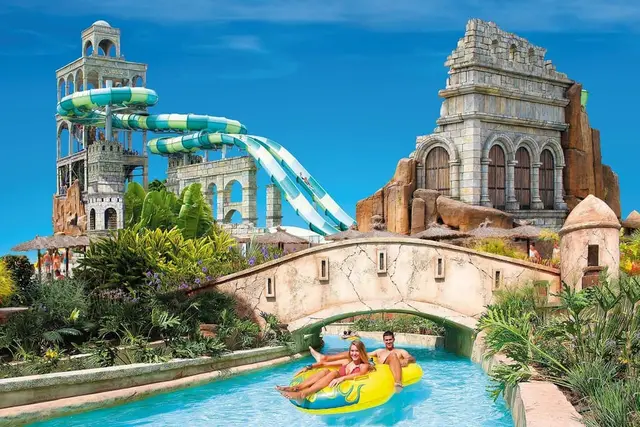
- Aqualand Maspalomas and Palmitos Park. On the Palmitos road. Aqualand opens all year: €41 at the gate, from €32 on its website (Aqualand and the water parks).
- Barranco de Guayadeque. A protected Natural Monument between Ingenio and Agüimes, with cave houses and restaurants carved into the rock.
Las Palmas de Gran Canaria
- Vegueta and the Casa de Colón. The city's founding quarter. The Casa de Colón (Columbus House) costs €4 and is free on Sundays (10:00–15:00).
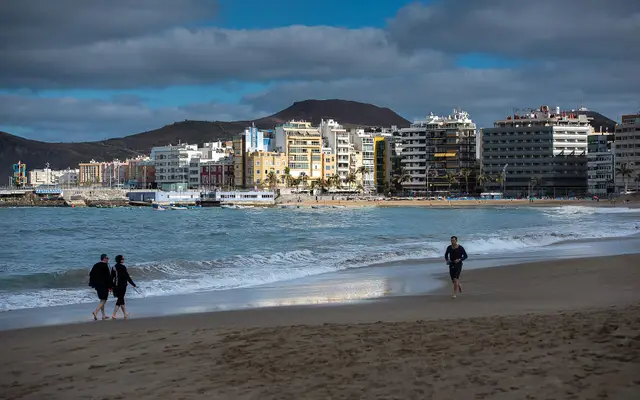
- Las Canteras. Just over 3 km of sand sheltered by La Barra, a reef 200 m offshore that breaks the surface at low tide and turns the water behind it into a pool. At the southern end, La Cícer is the surf zone.
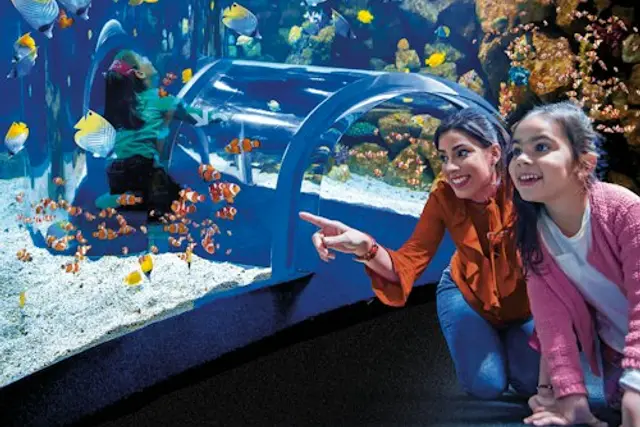
- Poema del Mar. An aquarium on the Muelle Sanapú, next to the cruise port, open 365 days a year from 09:30 to 17:30.
- Jardín Canario. The botanical garden in Tafira, founded in 1952. Because of works, the only way in is from the Dragonal road (GC-310, km 7), and there is currently no bus stop near the entrance.
- Caldera de Bandama. The volcano to visit in Gran Canaria: a crater 216 m deep and about 1,100 m across, formed some 5,000 years ago. There is a viewpoint on the rim and a trail down to the bottom. Bus 311 from San Telmo, €1.55 (Las Palmas guide).
The north: villages, rum and Aboriginal caves
- Teror. The basilica of the Virgen del Pino, the island's patron saint, and a historic centre protected since 1979; the big fiesta is on 8 September. Buses 216 and 229 from San Telmo, €2.30.
- Arucas and the Arehucas distillery. A €10 tour, children free, no booking needed. Open Monday to Thursday from 09:30 to 14:00 and on Fridays until 18:00; never at weekends or on public holidays.
- Cueva Pintada (Gáldar). €6, free on Sundays and for under-18s; closed on Mondays. Guided tour in English at 12:30.
- Cenobio de Valerón. An Aboriginal granary of more than 350 cavities, over 800 years old. The ticket costs €3 and is valid for a year; with the Maipés de Agaete, €5. Closed on Mondays.
- Agaete and Puerto de las Nieves. A Blue Flag beach and the Fred. Olsen fast ferry to Santa Cruz de Tenerife (80 minutes). Up the valley, Bodega Los Berrazales shows you its vineyards and coffee plantation, with a tasting.
The summit
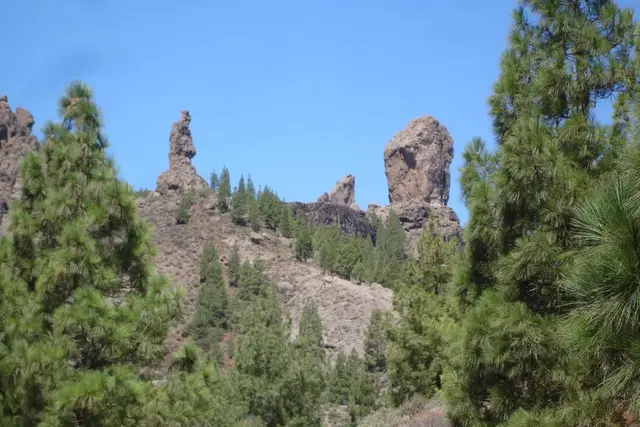
- Roque Nublo. A monolith about 80 m tall above its base, at 1,813 m. The climb is free, but to start from the Degollada de La Goleta between 10:00 and 17:00 you need to book at grancanariasenderos.com, and the La Goleta car park is closed. How to do it: summit day trips.
- Pico de las Nieves. A viewpoint at 1,949 m; the summit itself is a military zone. It is not the island's highest point: that is the neighbouring Morro de la Agujereada, at 1,956 m.
- Tejeda. One of the Most Beautiful Villages in Spain (Los Pueblos más Bonitos de España), with almond sweets (bienmesabe, marzipan) and almond blossom in January and February. Bus 18 from Faro de Maspalomas, €6.15.
- Risco Caído and Artenara. World Heritage since 2019 as ‘Risco Caído and the Sacred Mountains of Gran Canaria’; its centrepiece is cave C6, an Aboriginal astronomical marker. Bus 220 from Las Palmas via Teror, €5.15.
- 1Dunas de Maspalomasnature areaDirections ↗
- 2Faro de MaspalomassightDirections ↗
- 3Puerto de MogánportDirections ↗
- 4VeguetasightDirections ↗
- 5Las CanterasbeachDirections ↗
- 6Caldera de Bandamanature areaDirections ↗
- 7TerortownDirections ↗
- 8AgaetetownDirections ↗
- 9Roque NublopeakDirections ↗
- 10TejedatownDirections ↗
Things to do in Gran Canaria in 3 days, 5 days or a week
The routes start from the south; if you are based in Las Palmas, reverse the order.
Gran Canaria in 3 days
- Maspalomas. The dunes first thing, a camel ride (only until 14:15), the lighthouse and La Charca; sunset at the Mirador de las Dunas.
- Puerto Rico and Puerto de Mogán. Out on the Líneas Salmón boat (€8) and back by bus (€1.55). Friday, market day, is the busiest.
- The summit. Without a car, bus 18 leaves the Faro at 08:00 and 09:00 and comes back at 13:00 or 17:30 (€6.00 to Roque Nublo). On an organised trip you can forget about parking.
Gran Canaria in 5 days
- Las Palmas. Bus 30 from the Faro (€6.15). Vegueta and the Casa de Colón in the morning; Las Canteras and Poema del Mar in the afternoon.
- The north by car, Tuesday to Friday. Arehucas before 14:00, Teror, Cenobio de Valerón, Cueva Pintada and Agaete: on Mondays the Cenobio and the Cueva Pintada are closed, and at weekends the distillery is.
Gran Canaria in a week
- Water parks or the sea. Aqualand or Palmitos Park (both on the €62 combined ticket), or a dolphin boat from Puerto Rico.
- Bandama and Guayadeque. The crater in the morning and lunch in one of the ravine's cave houses.
Things to do in Gran Canaria with kids
Almost everything is in the south, and bus 70 links Mogán, Puerto Rico, the Faro, Aqualand and Palmitos Park.
- Aqualand Maspalomas: €17 for ages 3 to 4 and free under 90 cm. No animal shows.
- Palmitos Park: daily from 10:00 to 18:00, with dolphins and birds; children pay €29 at the gate.
- Angry Birds Activity Park (Puerto Rico): a dry park of trampolines and zip lines for ages 3 to 13, Thursday to Monday; children pay more than adults (€17 against €13). Our review.
- Cocodrilo Park (Agüimes): a rescue centre for exotic animals, open Friday to Sunday only.
- Camels and submarine: in the dunes, €13 for ages 3 to 12; the submarine does not take under-2s.
On dolphinariums there are two camps: supporters talk about education and conservation; critics argue that a cetacean should not live in a tank.
| Where | Ticket | Rating | Price | Where to book |
|---|---|---|---|---|
| GetYourGuide | Maspalomas: Palmitos Park Ticket with Dolphin and Bird Shows | 4.7 (1,829) | €39 | View on GetYourGuide |
| Tiqets | Palmitos Park: Entry Ticket | 4.7 (225) | €39 | View on Tiqets |
| Official website | Palmitos Park, official online fare (from; €39 at the gate) | — | €35 Cheapest | Official site ↗ |
Adult prices checked on 2 October 2026. They may vary by date; each site confirms the final price.
On the Palmitos Park website adults pay from €35 online, €4 less than at the gate or on the booking platforms. For a cloudy day, Poema del Mar costs €29 on both platforms; its own website shows the price once you choose a date, so compare there.
| Where | Ticket | Rating | Price | Where to book |
|---|---|---|---|---|
| GetYourGuide | Poema del Mar Skip-the-Line Entry at the ticket counter | 4.8 (4,555) | €29 | View on GetYourGuide |
| Tiqets | Poema del Mar - Aquarium Gran Canaria: Skip The Line Ticket | 4.7 (1,458) | €29 | View on Tiqets |
Adult prices checked on 2 October 2026. They may vary by date; each site confirms the final price.
Teenagers tend to prefer a buggy ride through the ravines or the watersports at Anfi and Puerto Rico; for jet skis, the Anfi operator requires drivers to be 18.
Where to stay in Gran Canaria: areas and who they suit
| Area | Best for | What to know |
|---|---|---|
| Playa del Inglés and San Agustín | Nightlife and the LGBTQ+ scene (Pride in May, Winter Pride in November) | Blue Flag beaches; buses 66 and 90 to the airport |
| Maspalomas and Meloneras | Couples, sunset strolls | The Meloneras promenade starts at the lighthouse |
| Puerto Rico and Amadores | Families | Calm water, boats and Angry Birds; buses 1 and 91 to the airport (€5.45) |
| Puerto de Mogán | Anyone after a small village | Market and no traffic on Fridays; €6.80 by bus from the airport |
| Las Palmas | Travelling without a car, city life, culture | June and July are the cloudiest months on the north coast |
Mogán (Puerto Rico, Amadores, Puerto de Mogán, Taurito) charges a small municipal tax of €0.15 per person per night. The Canary Islands courts struck it down, but the town council has appealed and the ruling is not final: ask the hotel when you book whether you will be charged.
Gran Canaria excursions and tickets worth booking
Our pick
1
To reach the summit without a car
Roque Nublo and Pico de las Nieves in 7.5 hours from Las Palmas, with no battle for parking; very well rated.
GetYourGuide7.5 hours
From Las Palmas: Pico de las Nieves & Roque Nublo Full-Day Trip
4.7 (1,266 reviews)
from €48Check availability
2
The Puerto de Mogán classic
A 40-minute submarine dive to 20–25 m, at the ticket-office price (€38). The operator's website is 10% cheaper, but those tickets are not valid for the same day.
GetYourGuide40 minutes
Puerto de Mogán: Submarine Tour
4.4 (4,446 reviews)
from €38Check availability
3
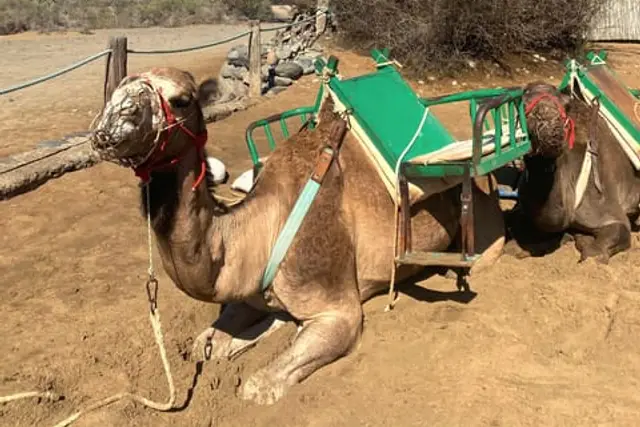
Camels in the dunes
A 30-minute ride, at the same price as on the Camello Safari Dunas website (€18).
GetYourGuide30 minutes
Maspalomas: Guided Camel Riding in the Maspalomas Sand Dunes
4.4 (5,243 reviews)
from €18Check availability
4
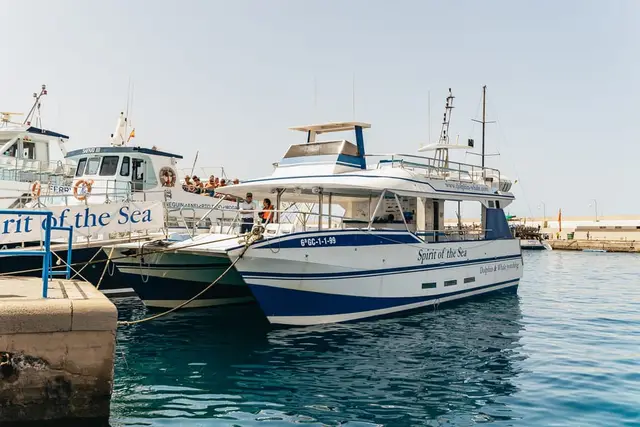
Dolphins from Puerto Rico
Two and a half hours at sea; watching them is not swimming with them.
GetYourGuide2.5 hours
From Puerto Rico de Gran Canaria: Dolphin-Watching Cruise
4.3 (2,717 reviews)
from €40Check availability
5
Cloudy-day plan
Poema del Mar, next to the cruise port; entry without queuing at the ticket desk.

GetYourGuide
Poema del Mar Skip-the-Line Entry at the ticket counter
4.8 (4,555 reviews)
from €29Check availability
GetYourGuide30 minutes
Maspalomas: Guided Camel Riding in the Maspalomas Sand Dunes
4.4 (5,243 reviews)
from €18Check availability
GetYourGuide40 minutes
Puerto de Mogán: Submarine Tour
4.4 (4,446 reviews)
from €38Check availability
GetYourGuide7.5 hours
From Las Palmas: Pico de las Nieves & Roque Nublo Full-Day Trip
4.7 (1,266 reviews)
from €48Check availability
Tiqets
Poema del Mar - Aquarium Gran Canaria: Skip The Line Ticket
4.7 (1,458 reviews)
from €29Check availability
GetYourGuide
Maspalomas: Aqualand Maspalomas Water Park Entry Ticket
4.1 (1,654 reviews)
from €41Check availability
GetYourGuide30 minutes - 1 hour
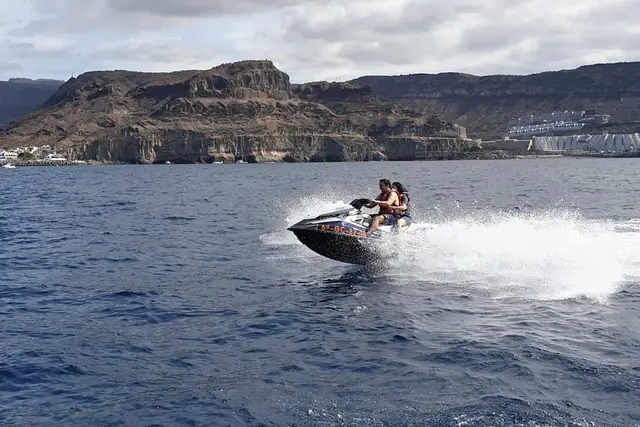
Puerto Rico de Gran Canaria: Jet Ski Tour
4.6 (1,208 reviews)
from €69.90Check availability
GetYourGuide2.5 hours
From Puerto Rico de Gran Canaria: Dolphin-Watching Cruise
4.3 (2,717 reviews)
from €40Check availability
See all options on GetYourGuide →Prices checked on 2 October 2026
The full catalogue is in all Gran Canaria tours.
Gran Canaria operators: our reviews
Getting to and around Gran Canaria
From the airport (LPA) to your hotel
Timetables and fares for Global, the island's bus company, are at guaguasglobal.com.
| Destination | Lines | Fare |
|---|---|---|
| Las Palmas, San Telmo | 60 (direct), 1, 5, 11, 91 | €2.30 |
| Las Palmas, Santa Catalina | 60, 91 | €2.95 |
| Playa del Inglés | 66, 90, 36, 1 | €3.50 |
| Faro de Maspalomas | 66, 90, 36 | €4.05 |
| Puerto Rico | 1, 91 | €5.45 |
| Puerto de Mogán | 1, 91 | €6.80 |
The 66 runs hourly from 07:30 to 20:30. The 60 runs every 30 minutes: get off at San Telmo for Vegueta and at Santa Catalina for Las Canteras, even though that costs €0.65 more. Take a taxi only from the official rank: €3.85 flag fall by day, €1.35 per kilometre and a €2.10 airport supplement.
Buses, car and ferries
Among the buses (guaguas, as Canarians call them), the 30 links the Faro with Las Palmas (€6.15) and the 18 climbs to Fataga and Tejeda. For the summit and the north a car saves time, but the GC-200 on the west coast (Mogán–La Aldea and Agaete–El Risco) is hit by closures from rockfalls: check its status with the Cabildo (island council) before you set off. The fast ferry from Agaete reaches Santa Cruz de Tenerife in 80 minutes; every connection is in getting between the islands.
Best time to visit Gran Canaria
Any month works. At the airport (on the east coast, windier than the south) the average high ranges from 20.8 °C in January to 27.5 °C in August, with 151 mm of rain a year over about 22 days. The sea at Maspalomas drops to 18.8–19 °C in February and March and rises to 23.3 °C in September and October.
| Jan | Feb | Mar | Apr | May | Jun | Jul | Aug | Sep | Oct | Nov | Dec | |
|---|---|---|---|---|---|---|---|---|---|---|---|---|
| High °C | 21 | 21 | 22 | 23 | 24 | 25 | 27 | 28 | 27 | 26 | 24 | 22 |
| Low °C | 15 | 15 | 16 | 16 | 17 | 19 | 21 | 22 | 21 | 20 | 18 | 16 |
| Sea °C | 20 | 19 | 19 | 19 | 20 | 21 | 22 | 23 | 23 | 23 | 22 | 21 |
| Rainy days | 3 | 3 | 2 | 1 | 0 | 0 | 0 | 0 | 1 | 2 | 4 | 5 |
| Hours of sun a day | 6 | 7 | 7 | 8 | 9 | 10 | 10 | 10 | 8 | 7 | 6 | 6 |
Source: AEMET, climate normals (1981–2010) · sea temperature: seatemperature.info, ten-year average
- October to March is high season; March is the month with the most tourists. December is the wettest, though in the south that means three or four days.
- May and June are the quietest months; Las Palmas and the north coast sit under cloud in June and July.
- Summer: expect the odd calima (Saharan dust haze) and fire alerts that close the forests.
- Fiestas: Las Palmas carnival from late January to late February; almond blossom in Tejeda in February; La Rama in Agaete in August; the Virgen del Pino in Teror on 8 September; the Fiesta del Charco in La Aldea on 11 September; Winter Pride in early November.
Month by month: the weather in November, in December or the Canary Islands weather guide.
Common mistakes in Gran Canaria
- Going to Arehucas on a Saturday or to the Cenobio on a Monday: both will be closed.
- Looking for the water park in Puerto Rico: there isn't one; the nearest is Los Lagos de Taurito.
- Taking the 66 to Mogán: it terminates at the Faro; you need the 1 or the 91.
- Mixing up the camels: the ones in the dunes belong to Camello Safari Dunas; Camel Safari Park La Baranda is in the Fataga valley, about 12 km away.
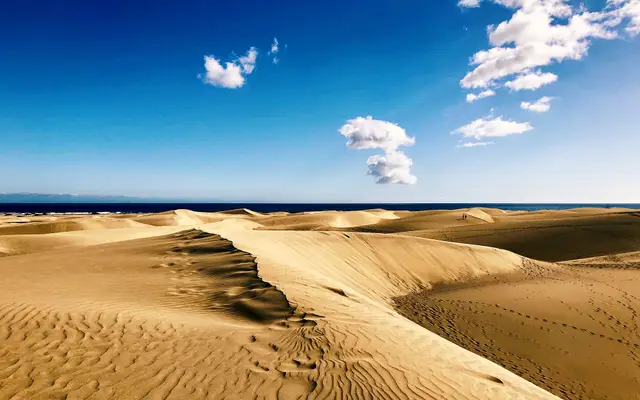 Gran CanariaMaspalomas and the dunesThings to do in Maspalomas: the dunes on marked trails only (fines €150–600), camel rides at €18 until 14:15, the lighthouse, La Charca and sunset spots.from €18
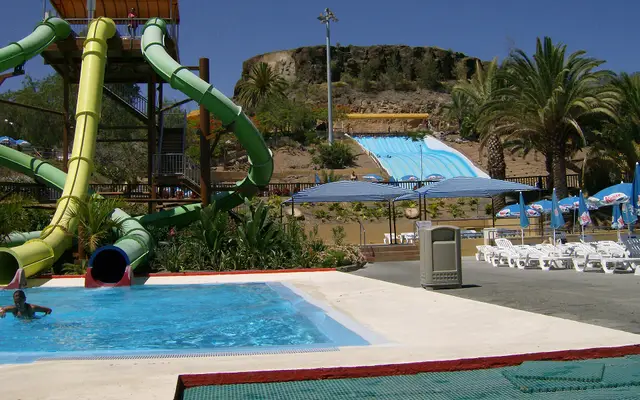 Gran CanariaAqualand and water parksMaspalomas water park prices: Aqualand costs €41 at the gate and from €32 on its own website. Opening hours, height limits and the options near Puerto Rico.from €13
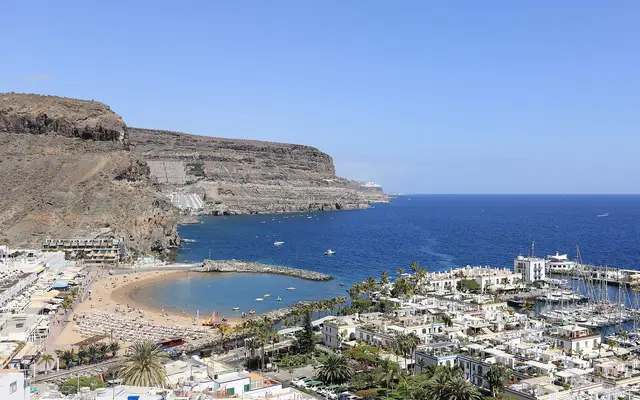 Gran CanariaPuerto Rico and MogánThings to do in Puerto Rico, Gran Canaria: beaches, dolphin trips from €35, the €8 ferry to Puerto de Mogán, the €38 submarine and Mogán's Friday market.from €38
 Gran CanariaWatersportsWatersports in Gran Canaria: jet skis from €60, parasailing from €50, diving at El Cabrón and surfing. Where to go, prices and the age or licence you need.from €48
 Gran CanariaLas Palmas de Gran CanariaThings to do in Las Palmas de Gran Canaria: Vegueta old town, Las Canteras and Poema del Mar. Casa de Colón €4 (free on Sundays), airport bus €2.30.from €25
 Gran CanariaDay trips & island toursGran Canaria day trips: the Roque Nublo hike needs a free booking from 10:00 to 17:00 and La Goleta has no parking. Tejeda, Teror and Agaete by car or tour.from €44
Frequently asked questions
What can I see in Gran Canaria in one day?
From the south, the Maspalomas dunes and lighthouse in the morning and Puerto de Mogán in the afternoon, all by bus. From Las Palmas, Vegueta and Las Canteras on foot.
Do you need to book to climb Roque Nublo?
Yes, if you start from the Degollada de La Goleta between 10:00 and 17:00: booking is free at grancanariasenderos.com, with 60 places an hour. Before 10:00, after 17:00 or via La Culata and the Degollada de la Hoya de la Vieja you don't need one.
Which is better, Gran Canaria or Tenerife?
Gran Canaria has more Blue Flag beaches, better buses and a capital with a city beach. Tenerife has Mount Teide, more whale-watching boats and more theme parks.
Are there volcanoes to visit in Gran Canaria?
None active, but you can walk down into the Caldera de Bandama, a crater 216 m deep, €1.55 by bus from Las Palmas.
Can you swim with dolphins in Gran Canaria?
Not with wild dolphins: the law bans swimming in the 60 m exclusion zone around cetaceans. Some boats make a swim stop in a cove with no animals around.