If you're wondering what to see in La Gomera, the short answer is the Garajonay forest, the viewpoints over the ravines and the villages of the north, with the silbo gomero, the island's whistled language, as its calling card. The whole island has been a Biosphere Reserve since 2012 and has had no eruptions for some 4 million years: eroded ravines rather than fresh lava flows.
La Gomera at a glance: who it's for
It suits walkers, slow travellers and families looking for short forest walks and a boat trip to see whales and dolphins. The roads are slow and the star activity is walking.
It isn't for you if you need a direct flight from home, pale sandy beaches or nightlife. The beaches are almost all black sand, and in winter the ones at Valle Gran Rey can be stripped down to pebbles until spring. If you want a sunlounger, stay in the south of Tenerife; to compare all seven, see which island to choose.
Things to see in La Gomera: 12 places worth the trip
San Sebastián de La Gomera and the Columbus trail
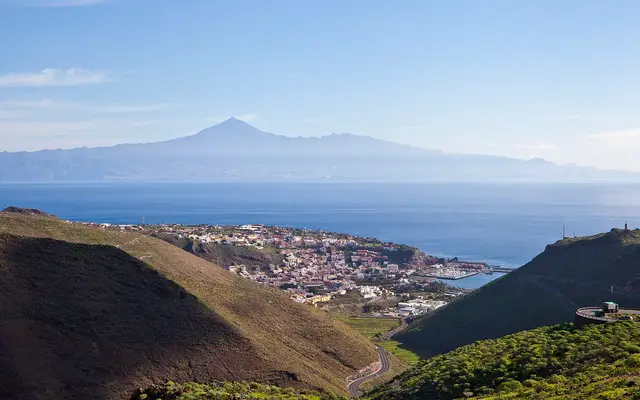
The capital is less than 10 minutes' walk from the ferry. In August 1492 Columbus's ships called here before crossing the Atlantic, and in 1493 he came back with seventeen vessels. The Torre del Conde is a 15th-century Castilian fortress. The Casa de Colón is a 17th-century house with a permanent exhibition of pre-Columbian sculpture; tradition says the admiral stayed there, but there's no proof of it.
The Iglesia de la Asunción is 200 m from the Pozo de la Aguada (Casa de la Aduana), where ships took on water. At the moment the well is listed as temporarily closed: check on lagomera.travel.
Garajonay National Park
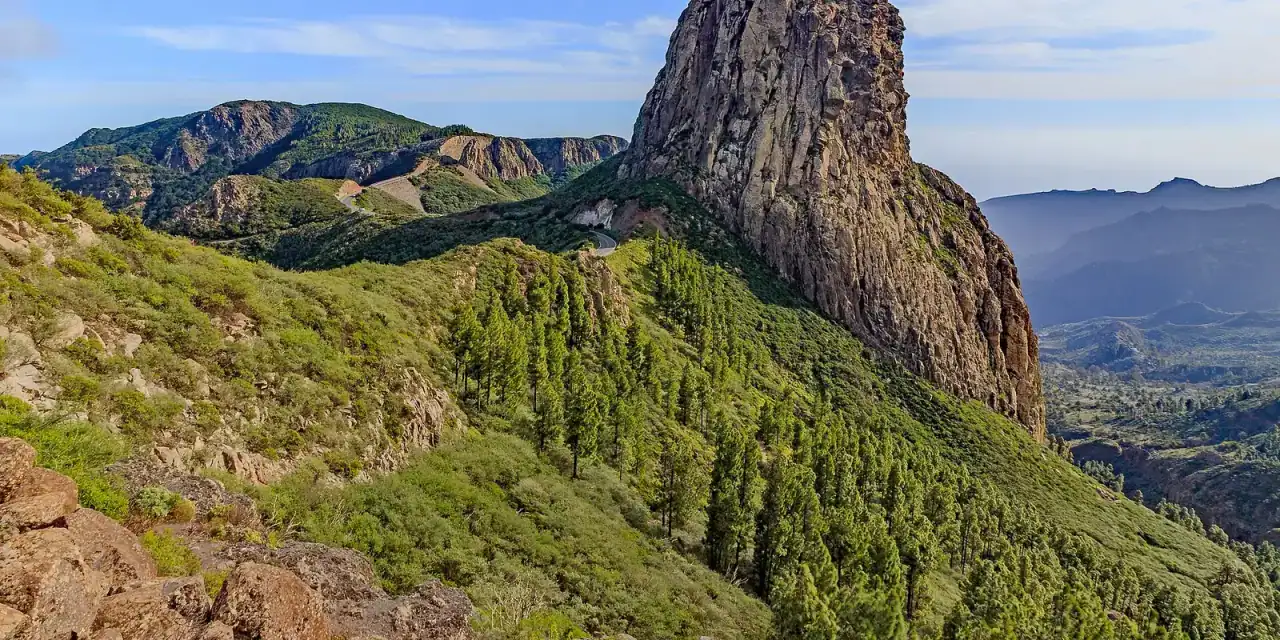
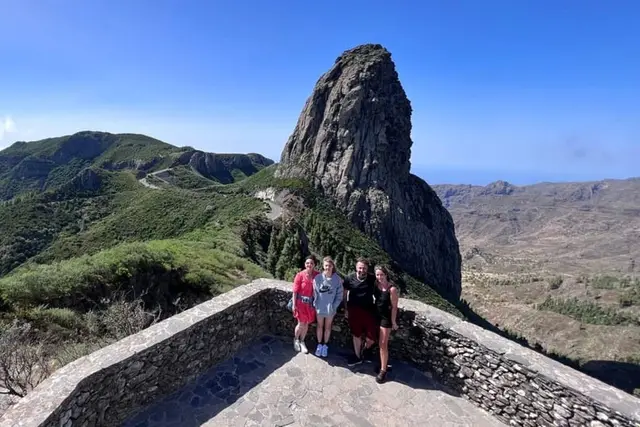
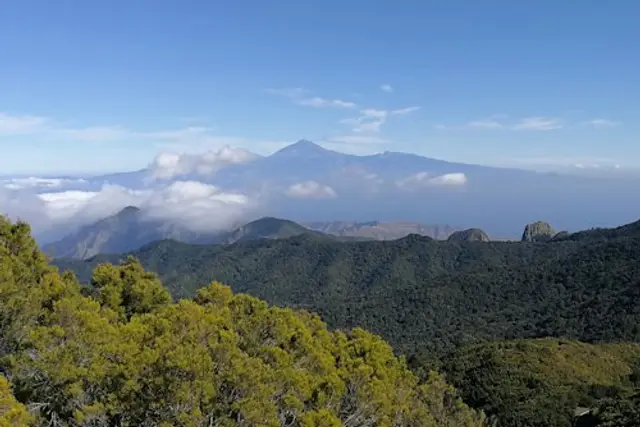
It's the reason most people come: Canary laurel forest (laurisilva), a relict ecosystem from the Tertiary, of which this park holds more than half the archipelago's mature woodland. A World Heritage Site since 1986, free to enter, with 18 official trails; the shortest route to the summit starts at Pajarito (2.2 km and 270 m of climb). The Degollada de Peraza and Roque de Agando viewpoints are a fixed stop on the tours. Routes and walking times are in our Garajonay guide.
The silbo gomero: where to hear it
The silbo reduces Spanish to two whistled vowels and four whistled consonants, and it carries up to five kilometres. UNESCO inscribed it as Intangible Cultural Heritage in 2009, and it has been a compulsory school subject on the island since 1999. To see it explained, the Casa de la Memoria at the Garajonay visitor centre (Juego de Bolas) has a display devoted to it. At the Mirador de Igualero, a stop on bus line 1, stands El árbol que silba ("The whistling tree"), a monument by José Darias. Some day trips from Tenerife advertise a live demonstration and others don't: check the listing before you book.
Valle Gran Rey
The great valley of the west has the harbour at Vueltas, where almost all the island's whale-watching boats leave from. Playa del Inglés is 300 m long, mostly nudist and has surf: swim only when the sea is calm. It's 45 km from the airport and 67 km from San Sebastián on bus line 1.
Agulo and the Mirador de Abrante
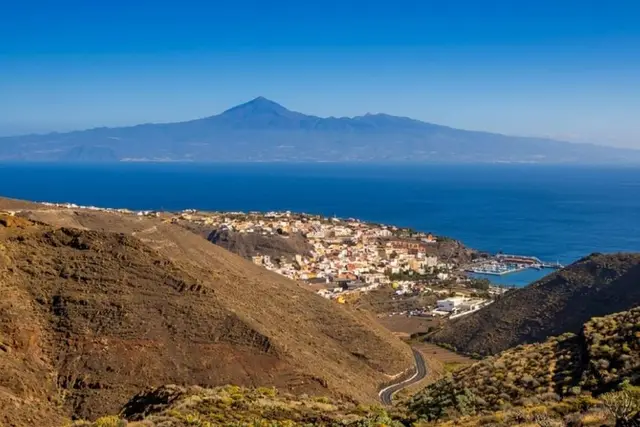
Agulo is probably the most photogenic village in the north, squeezed between the cliff and the sea. Above it, at 620 m, the Mirador de Abrante pushes a seven-metre glass-floored walkway out over the village, 400 m below, with Tenerife opposite. You can only get there by car. Its current status is unclear: there are no published official opening hours and there are reports that the glass walkway and the restaurant are closed; ask at Agulo town hall before making a detour just for it.
Hermigua and El Cedro
Hermigua is the green valley of the north, on bus line 2. Above it lies El Cedro, a hamlet in the forest beside a stream that runs all year, cut off from the valley by a cliff with a waterfall of more than 200 m. From La Meseta de Hermigua starts the Las tres cascadas (Three Waterfalls) walk (0.7 km, 30 min), one of the easiest in the park. In summer there is usually controlled access by car to the El Cedro area, with a free reserved space; on foot you don't need one. Check each year's dates at reservasparquesnacionales.es.
Vallehermoso and Los Órganos
Vallehermoso is the village of the north-west, at the end of bus line 2. On its coast is the Los Órganos Natural Monument: basalt columns 200 m wide and 80 m high that can only be seen from the sea. The bad news: at the moment, the two companies known for going there, Excursiones Tina and Speedy, say on their websites that they aren't running trips. Ask at the harbours in Vueltas and Playa Santiago or at the tourist office who's running the boat before you count on it.
El Cercado and Chipude: pottery without a wheel
In El Cercado (bus line 1), the Las Loceras Visitor Centre shows Gomeran pottery, shaped by hand without a wheel. It opens Tuesday to Sunday from 09:30 to 13:30, so make it a morning visit.
- 1San Sebastián de La GomeraportDirections ↗
- 2Roque de AgandopeakDirections ↗
- 3La Laguna Grandenature areaDirections ↗
- 4Alto de GarajonaypeakDirections ↗
- 5El Cedronature areaDirections ↗
- 6HermiguatownDirections ↗
- 7Centro de Visitantes Juego de BolassightDirections ↗
- 8Mirador de AbrantesightDirections ↗
- 9Los Órganosnature areaDirections ↗
- 10Valle Gran ReyportDirections ↗
Things to do in La Gomera: walking, diving, whale watching and food
Hiking and walking holidays
More than 600 km of waymarked paths, many with an audio guide via QR code; the GR 131 and GR 132 long-distance trails cross the park. Take a warm layer and a waterproof even if it's hot on the coast, and download the audio files beforehand: there's no mobile signal in the forest. Island-by-island comparisons are in hiking in the Canary Islands.
Scuba diving and snorkelling in La Gomera
Boat dives are done near Playa Santiago; from the shore, at La Cueva and San Sebastián, there are try dives from age 8 (maximum 12 m). Dive centres: Splash Gomera (Playa Santiago) and Gomera Dive Resort (Valle Gran Rey); ask them directly for prices. More in diving in the Canary Islands.
Whales and dolphins
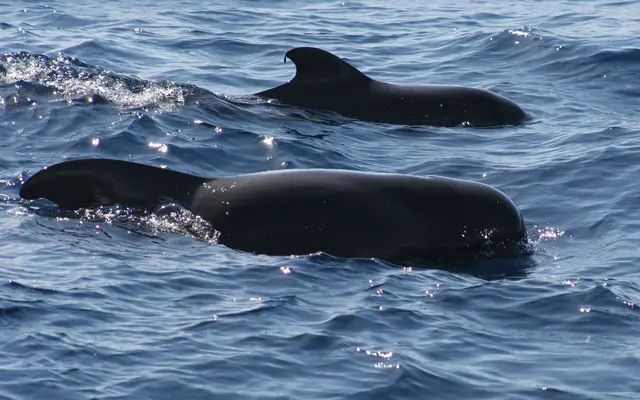
The waters between La Gomera and Tenerife are a Whale Heritage Area of the World Cetacean Alliance (not a UNESCO site). Of the island's roughly 13 licensed boats, 11 leave from Vueltas. Oceano Whale Watching La Gomera: 3–4 hours, maximum 10 people, €48 for adults and €32 for children up to 11. More in whale watching in La Gomera and whales and dolphins in the Canary Islands.
Food: almogrote and palm honey
Almogrote is a paste of cured goat's cheese, hot pepper, oil and garlic; potaje de berros (watercress stew) comes with gofio, toasted grain flour. Palm honey (miel de palma) is made from guarapo, the sap of the Canary palm; the Casa de la Miel de Palma in Alojera opens Wednesday to Saturday from 10:00 to 17:30 with a guided visit and tasting. The wine has carried the La Gomera Denomination of Origin since 2003.
What to do in La Gomera for a day, for 2 days or with kids
For a day from Tenerife. Between the first ferry in the morning and the last one back in the afternoon (currently 09:30 and 17:30 on weekdays with Fred. Olsen) you get about seven hours: San Sebastián, Degollada de Peraza, Roque de Agando, a short walk at Laguna Grande, Hermigua and Agulo. Valle Gran Rey adds an hour's driving each way. Full details in La Gomera day trip from Tenerife.
In 2 days. One day in the north (Juego de Bolas, Agulo, Hermigua, El Cedro) and one in the centre and west (Pajarito–Alto de Garajonay, Chipude, Valle Gran Rey and a whale-watching boat from Vueltas). Staying on the island also opens up the park's free guided walk, which isn't available to anyone arriving on the same-day ferry.
With kids. The 20-minute walks at Laguna Grande and Los Barranquillos, the playground at the picnic area, a try dive from age 8 and the whale-watching boat. When there's a swell, forget the beaches in the north and check the safe bathing guide.
La Gomera tours on the island and from Tenerife
Our pick
1
The classic from south Tenerife
9 hours with ferry, coach and lunch; more than 2,000 reviews. The obvious choice if you're not hiring a car.
GetYourGuide9 hours
From South Tenerife: La Gomera Island Day Trip with Lunch
4.1 (2,224 reviews)
from €110Check availability
2
Small group
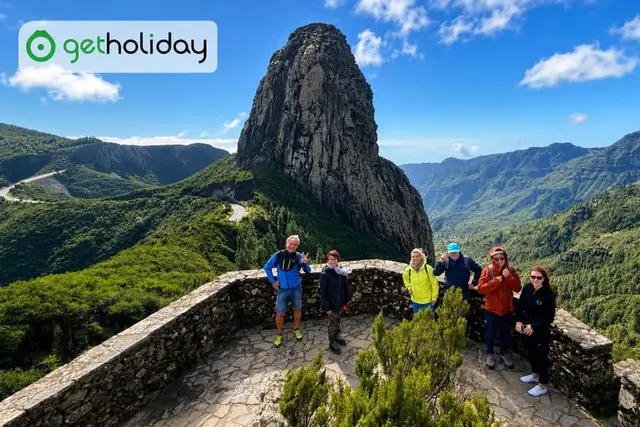
Maximum 18 people and an 11-hour day; costs €39 more than the classic.
GetYourGuide11 hours
From Tenerife: La Gomera Small-Group Day Trip, max 18 people
4.5 (240 reviews)
from €149Check availability
3
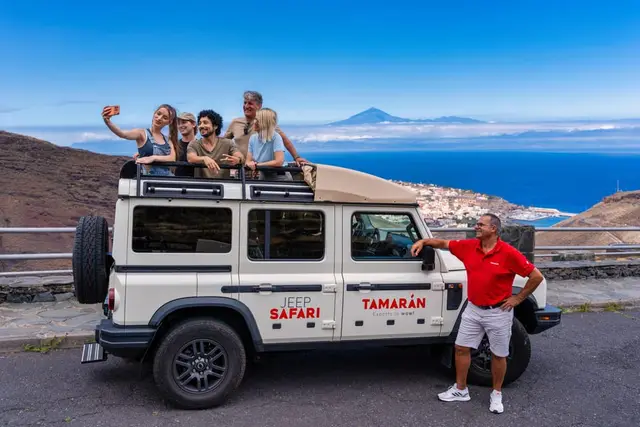
By 4x4 from Arona
For those who'd rather go by jeep than coach; a good average rating.
GetYourGuide1 day
Full-Day Gomera Jeep Safari Excursion from Arona
4.6 (576 reviews)
from €150Check availability
4
If you're already on La Gomera
A 5-hour small-group tour of Garajonay that starts on the island.
GetYourGuide5 hours
La Gomera: Garajonay Small-Group Highlights Tour
4.4 (111 reviews)
from €75Check availability
The classic day trip costs the same on both platforms; the ferry company Baleària sells its own, "La Gomera Experience" (ferry, coach, guide and lunch), from €99.
| Where | Ticket | Rating | Price | Where to book |
|---|---|---|---|---|
| GetYourGuide | From South Tenerife: La Gomera Island Day Trip with Lunch | 4.1 (2,224) | €110 | View on GetYourGuide |
| Tiqets | La Gomera Day Trip From Tenerife | 4.4 (29) | €110 | View on Tiqets |
Adult prices checked on 2 October 2026. They may vary by date; each site confirms the final price.
GetYourGuide5 hours
La Gomera: Garajonay Small-Group Highlights Tour
4.4 (111 reviews)
from €75Check availability
GetYourGuide
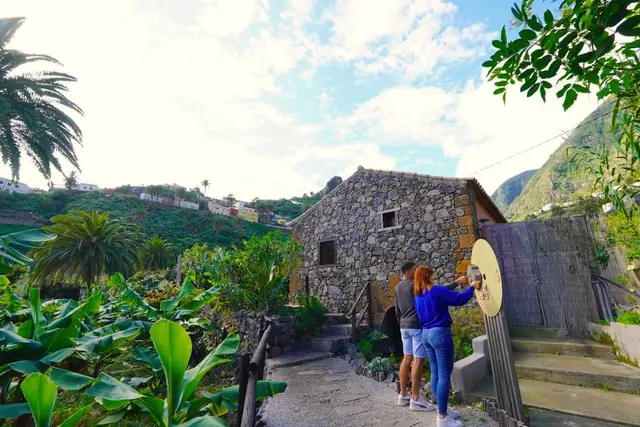
La Gomera: Entry Ticket for the Ethnographic Park
4.3 (30 reviews)
from €4.95Check availability
GetYourGuide12.5 hours
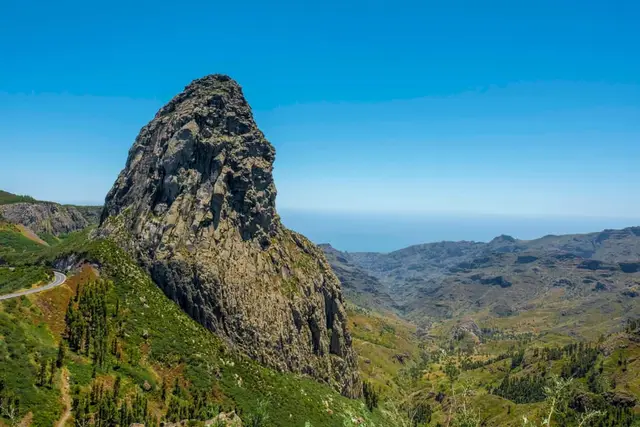
La Gomera: Enjoy La Gomera with a return trip to Tenerife
3.7 (7 reviews)
from €115Check availability
GetYourGuide
Canary Islands: La Gomera internal route Ferry Ticket
1.9 (3 reviews)
from €30Check availability
GetYourGuide10 hours
From Tenerife: La Gomera Day Trip (Romanian-speaking guide)
no reviews yet
from €108Check availability
See all options on GetYourGuide →Prices checked on 2 October 2026
How to get to La Gomera and how to get around
Ferry from Tenerife
All ferries leave from Los Cristianos, in the south of Tenerife, and reach San Sebastián in about 50 minutes. There are two companies: Fred. Olsen Express, from €39.74 each way for non-residents, and Baleària Canarias (formerly Naviera Armas), from €42. The €9.93 and €11 fares are for Canary Islands residents only, so you can't use them. On foot, boarding closes 20 minutes before departure; with a car, 40. If it's a hire car, get written permission from the rental company before taking it on board. More combinations in getting around between the islands.
By plane
La Gomera airport is next to Playa Santiago, 34 km from the capital, and only has Binter flights from Tenerife North and Gran Canaria. A taxi from the airport to Valle Gran Rey costs about €60–65; to Playa Santiago, €8–10.
Buses: routes and fares
GuaguaGomera (buses are "guaguas" in the Canaries) runs eight lines (6 and 7 go to the airport), with fares from €1 to €5. The ones you'll use most:
- Line 1, San Sebastián–Valle Gran Rey (67 km, €5), through the park: it stops at Roque de Agando, Cruce de Pajarito, Igualero, Chipude, El Cercado and Las Hayas. It leaves San Sebastián Monday to Saturday at 10:30, 12:00, 15:30, 18:30 and 21:30, and Valle Gran Rey at 05:00, 08:00, 13:00, 14:30 and 18:00.
- Line 2, San Sebastián–Vallehermoso (€4.50), via Hermigua, Agulo and the turn-off for El Cedro.
Watch out: line 1 doesn't go to Laguna Grande. Both stop at the Estación Marítima, next to the ferry: off the morning boat, your bus is the 10:30. Up-to-date timetables at guaguagomera.com.
Around the island by sea and by taxi
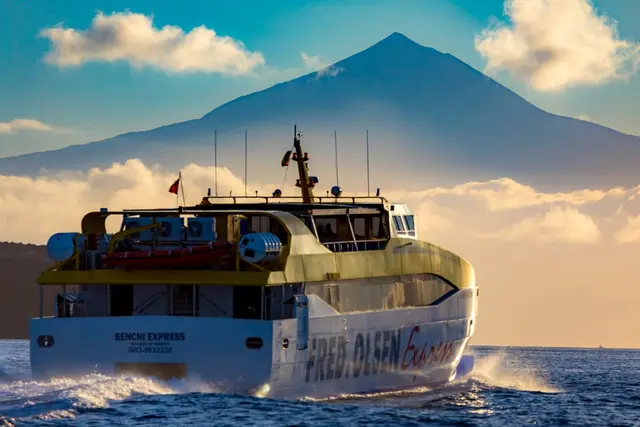
Fred. Olsen's Benchi Express catamaran links San Sebastián, Playa Santiago (30 min) and Valle Gran Rey (70 min in all), at €15 a leg. To reach Valle Gran Rey without a car, the 11:00 sailing is more comfortable than 67 km of bends on the bus. Taxi ranks: San Sebastián 922 870 524, Valle Gran Rey 922 805 058.
Where to stay for walking, and the weather
San Sebastián is the practical base: buses and ferries leave from here. Valle Gran Rey gives you sunshine and whale-watching boats, but it's a long way from the north. Hermigua and Agulo put you at the foot of El Cedro. Playa Santiago has the airport, diving and the catamaran.
The weather: the south coast is dry and sunny; the north and the high ground are cooler and damper, with mist on the north side of the park even in summer. Most rain falls from November to February (see the Canary Islands in November), July to September is the driest spell and from March to June the forest is in flower. The sea is warmest in September and October.
Common mistakes on La Gomera
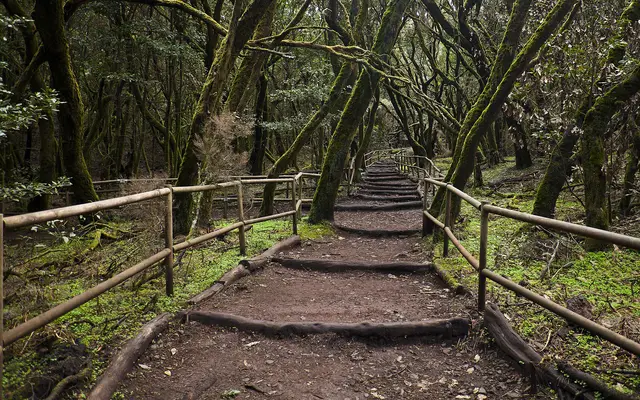 La GomeraGarajonayGarajonay hiking trails: 18 official routes from 0.5 to 12.7 km, free entry and a visitor centre open 09:30–16:30. Getting there by bus, what to pack, rules.from €75
 La GomeraLa Gomera from TenerifeTenerife to La Gomera day trip: tours with ferry and lunch from €99, or the Tenerife–La Gomera ferry from €79.48 return. Timetables and what to see in a day.from €75
What can you see in La Gomera in a day?
San Sebastián, the Degollada de Peraza and Roque de Agando viewpoints, a short walk at Laguna Grande (Garajonay), Hermigua and Agulo. Valle Gran Rey only fits if you give up the north, because it's an hour away by road.
How much is the ferry from Tenerife to La Gomera?
For non-residents, from €39.74 each way with Fred. Olsen and from €42 with Baleària; fares vary by day. The €9–11 prices are for Canary Islands residents only.
Are there boat trips to Los Órganos?
At the moment, the two companies known for this trip, Excursiones Tina and Speedy, say they aren't running it. Ask at the harbours in Vueltas or Playa Santiago who's going out before assuming you can.
Can you get around La Gomera without a car?
Yes, with some planning: bus line 1 crosses the park to Valle Gran Rey and line 2 covers the north, with few departures a day, and the Benchi Express catamaran links San Sebastián, Playa Santiago and Valle Gran Rey.